
Research Focus
Technologies for Decoding Dynamic Biological Information
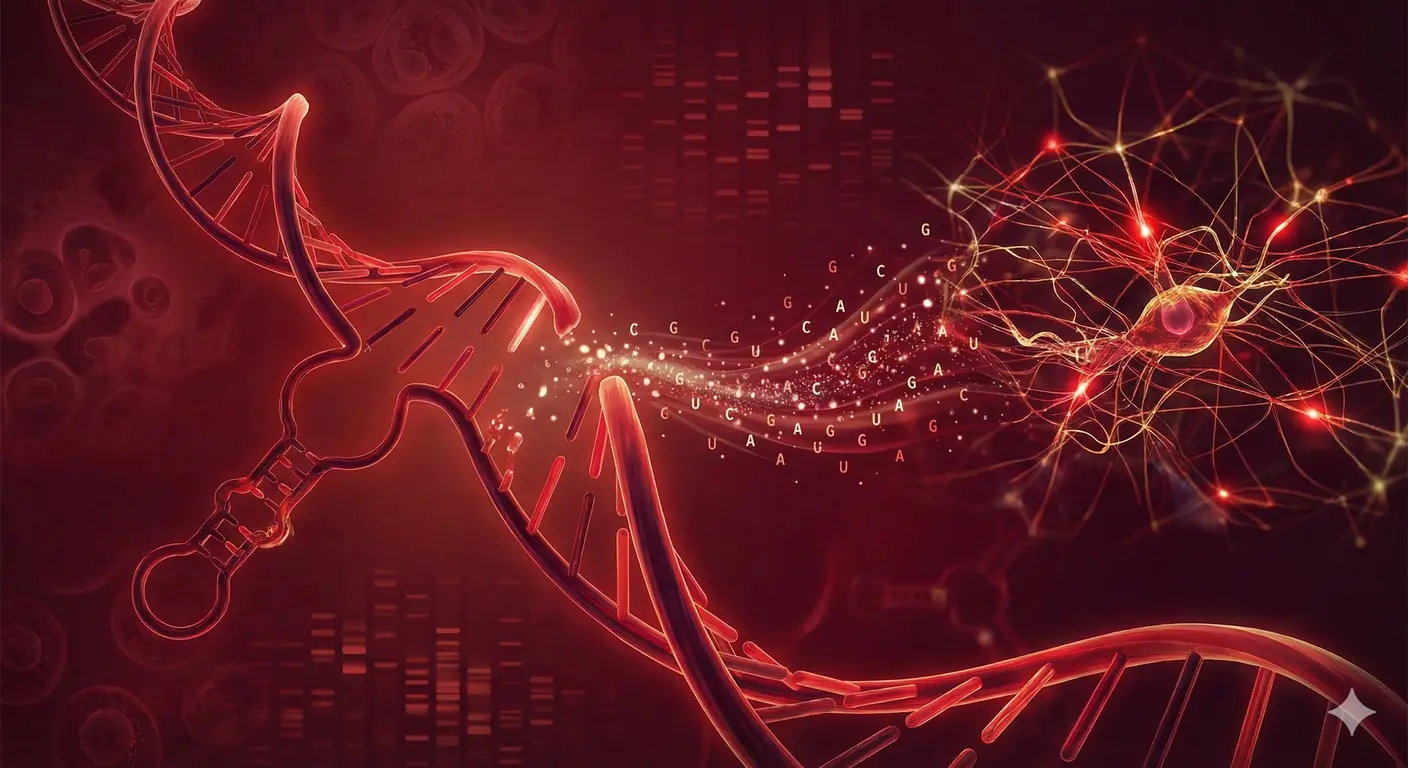
The lab connects chemical biology, quantitative sequencing, and computational modeling to measure signals that are difficult to observe directly: epigenetic marks, RNA structures, protein-RNA interactions, and cell ancestry.
Quantitative RNA modification maps
We build sequencing strategies for RNA marks such as m6A, pseudouridine and 5-methylcytosine, aiming for precise transcriptome-wide and single-base readouts.
- m6A · Ψ · m5C RNA marks
- Single-base quantitative maps
Lineage tracing and cellular ancestry
We reconstruct how cells diversify over time by combining lineage recording, single-cell measurements and computational phylogeny.
- Cell histories from lineage recording
- Computational phylogeny
Designing molecular tools
We integrate AI-guided protein and RNA design with experimental platforms to create new readers, writers and perturbation tools for biological systems.
- AI-guided protein design
- New readers and writers
Platform Logic
From Chemistry to Computation
Perturb
Use chemical reactions and engineered molecules to reveal hidden biological signals.
Sequence
Convert molecular events into high-throughput, quantitative sequencing readouts.
Model
Infer structure, regulation and cellular histories from complex multi-omic data.
Design
Feed measurements back into protein and RNA design for functional discovery.
Updates
Latest News
- Dec 2025 The Chang Ye Lab officially opens at The Hong Kong Polytechnic University.